
In an intensely competitive market, on-time delivery is no longer a mere fulfillment activity; it is a hard-core reflection of an enterprise’s overall strength and the cornerstone of maintaining customer trust. As customer demands grow increasingly diverse, the market’s dual standards for "delivery efficiency" and "delivery quality" continue to rise. Zhengcun is continuously improving its delivery capabilities. 1 Definition of On-Time Delivery On-time order delivery refers to the entire process in which a supplier, after receiving a customer’s order, strictly follows the agreed time schedule and location standards to accurately deliver products to the customer’s designated location. 2 Importance of On-Time Delivery 2.1 Improve Customer Satisfaction On-time delivery saves customers time and reduces waiting anxiety. Every delivery as promised builds customer trust. This trust serves as the foundation for long-term cooperation and also provides strong support for the enterprise to win new projects and expand market share.

2.2 Reduce Inventory Costs An accurate delivery plan can effectively avoid inventory overstocking and eliminate the risk of unsold goods. Through "production based on sales and delivery on demand", enterprises can mobilize liquid capital, reduce warehousing costs and operational risks, and achieve a more robust financial position. 2.3 Improve Supply Chain Efficiency On-time delivery is more than just task completion; it is the key to improving efficiency. It reduces hidden costs such as extra freight, returns, and customer complaints caused by delays. Meanwhile, it synchronizes supply chain links including planning, procurement, and warehousing, optimizes resource allocation, and enhances overall risk resistance and profitability. 3 How to Achieve On-Time Delivery 3.1 Timely Order Receipt Upon receiving a customer order, verify the product model, quantity, price, delivery date and other relevant information immediately. Feedback any abnormalities in a timely manner. If no issues are found, create the order in Zhengcun’s SAP system and initiate the workflow.
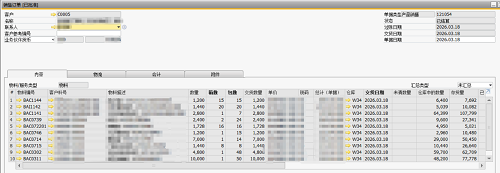
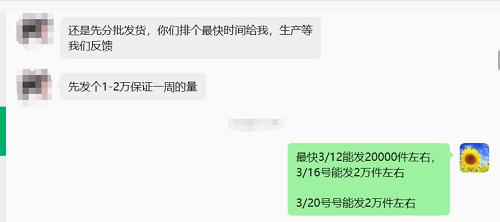
3.2 Timely Communication and Production Scheduling with Planning After orders are entered into the system, they will be forwarded to the production planning department. The planning team will evaluate and confirm the delivery date in the system. If the confirmed lead time cannot meet the customer’s required date, Zhengcun will first conduct internal communication and resource coordination. If the target date still cannot be achieved, we will inform the customer of the situation and propose solutions: 3.2.1 Partial shipments Prioritize core orders to ensure uninterrupted production at the customer’s site. 3.2.2 Negotiation of a new delivery date Clearly communicate the bottlenecks, jointly agree on new delivery milestones, and realize risk pre-control.
3.3 Track Product Production Status At 10:00 every morning, Zhengcun holds a production meeting with the planning, production, and procurement departments. The meeting focuses on tracking inventory and production progress of products scheduled for shipment within the coming week. Special attention is given to products that have not yet met the shipment quantity to ensure on-time delivery. Meeting minutes are uploaded to Zhengcun’s shared drive to ensure transparent information and full staff alignment. 3 Summary On-time order delivery is a core reflection of an enterprise’s operational efficiency, customer trust, and market competitiveness. It not only directly affects short-term profits but also determines long-term development. With rigor to ensure efficiency, with integrity to win customers, and with reliable delivery to stabilize the future, we make every promise fulfilled and delivered on time.


